


TL;DR
- Specops Software found a $2,100 AMD EPYC CPU cracked Argon2-hashed passwords faster than an eight-GPU Nvidia RTX 5090 rig, using the tool mdxfind.
- Argon2id, OWASP’s top-recommended password hashing algorithm as of 2026, ran at 490 hashes per second versus 221 billion for SHA256, about 451 million times slower.
- Argon2’s memory-hard design blunts the GPU parallel-processing advantage that makes older algorithms like SHA256 fast to brute-force.
- The protection has limits: Argon2 does nothing for passwords already exposed through breaches, phishing, or infostealer malware, and Specops recommends a 15-character minimum password length.
- The research accompanies an update to Specops’ Breached Password Protection service, which adds more than 60 million newly compromised passwords to its detection database.
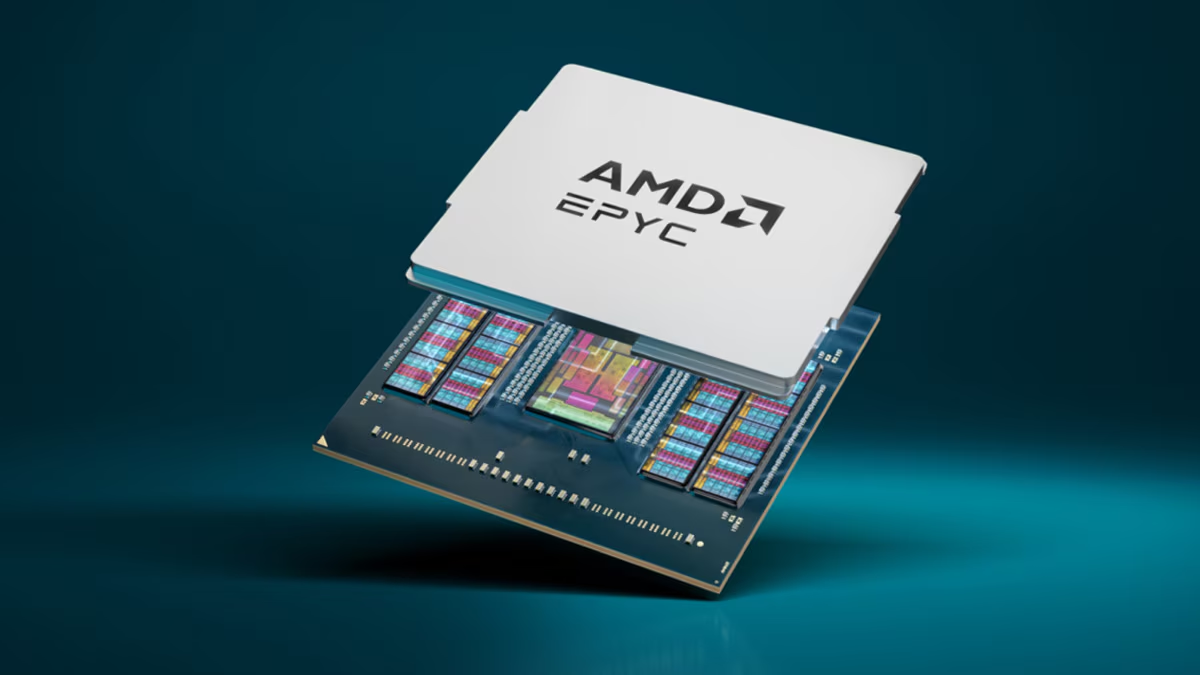
New research from Specops Software found that a single AMD EPYC server processor costing about $2,100 cracked passwords hashed with Argon2 faster than a rig of eight Nvidia RTX 5090 graphics cards, a result that undercuts the usual assumption that more powerful GPUs always translate into faster password cracking.
Argon2, winner of the 2015 Password Hashing Competition, is built to be memory-hard, meaning each hash operation requires a large, dedicated chunk of memory rather than relying purely on raw processing speed.
That design specifically targets the parallel-processing advantage GPUs hold over older algorithms. As of 2026, OWASP lists Argon2id, the general-purpose variant Specops tested, as its top recommendation for password storage, ahead of older standards like bcrypt.
The scale of the difference was stark. Argon2id managed just 490 hashes per second on the test rig, compared with 221 billion hashes per second for SHA256 on the same hardware, making it roughly 451 million times slower to crack.
In practical terms, a password that takes one second to crack when hashed with SHA256 would take more than 14 years with Argon2id. On GPUs alone, brute-forcing a strong, random password becomes effectively unrealistic.
The more striking result came from a cheaper machine. Running the cracking tool mdxfind, the single AMD EPYC CPU reached 730 hashes per second, actually outpacing the eight-card GPU rig on Argon2id specifically.
Since comparable GPU hardware rents for around five dollars an hour from cloud providers, the research shows that raising an organisation’s hashing standard raises the cost of an attack without pricing determined attackers out of it entirely.
Also Read: Jubilee insurance blocks KES 1.28 billion in fake insurance claims using AI
Specops was clear that Argon2’s protection has firm limits. The algorithm does nothing for a password an attacker already holds from a prior breach, a phishing attempt, or an infostealer infection, and weak or predictable passwords remain guessable regardless of how they are hashed.
“No hashing algorithm can protect a password an attacker already has,” said Darren James, Senior Product Manager at Specops Software, adding that strong hashing needs to sit alongside policies that block weak, predictable and already-compromised passwords. The research recommends a minimum password length of 15 characters as a further cost-raising measure.
The findings accompany an update to Specops’ Breached Password Protection service, which checks passwords used inside an organisation’s Active Directory against a database of known compromised credentials. The update adds more than 60 million newly compromised passwords gathered from the company’s honeypot network and threat intelligence sources, aimed at helping organisations catch exposed passwords and prompt a change before they are used in an attack.
Specops, an Outpost24 company, says it protects more than 3,000 organisations across 65 countries, drawing on a database of more than 6 billion compromised passwords updated daily. Outpost24, founded in Sweden in 2001, operates 14 offices worldwide, including in the US, UK, France, Belgium, Spain and Israel.


Leave a Reply