



TL;DR
Tanzania’s Masai giraffe population has declined by around 50% due to poaching, habitat loss, and human-wildlife conflict.
Microsoft’s GIRAFFE AI tool helps conservationists identify individual giraffes by their spot patterns with over 90% accuracy, speeding up data collection and analysis.
The AI system allows rangers and researchers to track survival rates, migration, and reproduction more efficiently, improving conservation strategies on the ground.
While AI tools like GIRAFFE and TrailGuard offer practical support, they still rely on trained humans, stable infrastructure, and long-term funding to be effective.
AI giraffe identification tools are helping conservationists in Tanzania, offering new hope for the endangered Masai giraffe.
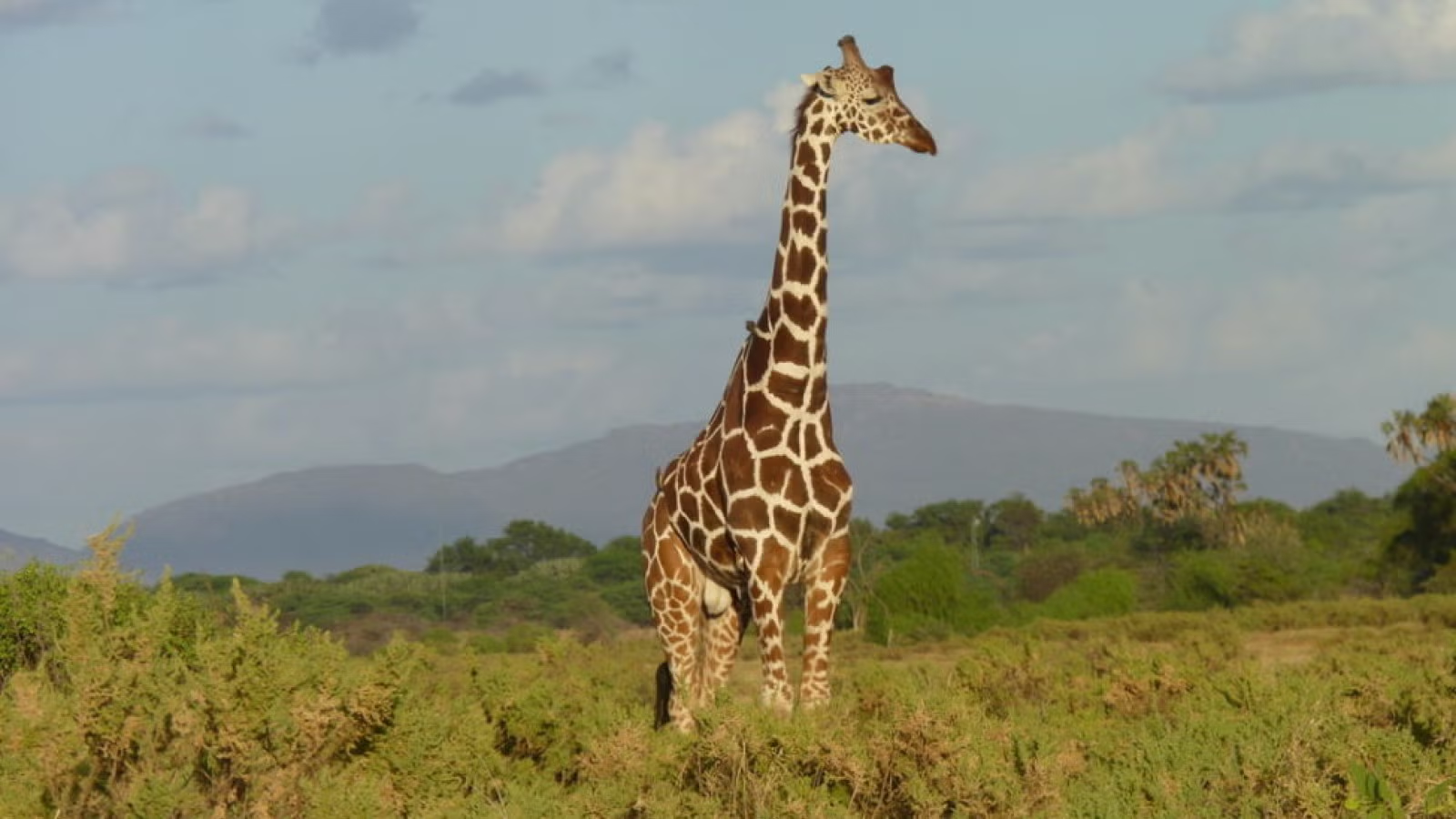
Tanzania’s Masai giraffe population has dropped by about 50% over the last three decades. The country now holds fewer than 45,400 individuals, with around 35,000 spread across national parks like Arusha and Serengeti.
The biggest threats are habitat loss, poaching, and human expansion. In some areas, giraffes are hunted for bushmeat or killed during conflicts with communities living near wildlife corridors.
Without detailed, reliable data, conservationists can’t properly respond or adapt strategies to save the remaining herds.
How AI spots giraffes like fingerprints
In 1956, Dr Anne Innis Dagg discovered that giraffe spot patterns are as unique as human fingerprints. That finding has now evolved into one of the most useful AI tools for conservation.
Microsoft’s AI for Good Lab, in partnership with the Wild Nature Institute, has developed GIRAFFE, an open-source image recognition system.
It uses computer vision to identify individual giraffes with more than 90% accuracy, and in many cases, that number reaches 99%.
GIRAFFE handles the entire process, from photo upload to identification, expert review, and database updates. The tool is designed with a simple interface, so scientists and rangers in the field can use it without needing coding skills.
It processes thousands of images and delivers results in under two seconds. What used to take days or weeks to analyze can now be done in minutes.
Also Read: ChatGPT can now access your Google Drive and Dropbox
Each time a giraffe is photographed, usually its right side, which serves as a kind of ID card, the AI compares the image to a catalog. If it finds a match, it confirms the identity. If not, it flags it for a specialist to review. This makes fieldwork more efficient and accurate.
What this means on the ground
With faster and more precise ID, researchers can track individual giraffes across years and locations. This helps them build data on survival rates, mating habits, migration patterns, and how herds shift across landscapes.
That kind of data has always been valuable, but now it’s far easier to collect and interpret.
In parks like Arusha and Katavi, conservation teams are combining GIRAFFE with camera-trap surveys and community-based monitoring.
Workshops are training local rangers to install cameras and use AI-assisted software to identify not just giraffes but other species as well. The software runs in programs like R, which lets them generate population estimates from image datasets.
AI needs humans and local knowledge to work well
AI tools like GIRAFFE and Intel’s TrailGuard don’t function in isolation. Field conditions, such as poor lighting, rain, or animal movement, can confuse image recognition systems. Species that look alike can also trip up the software.
This is where local rangers and researchers come in. They provide the final review to ensure the accuracy of the AI’s results.
TrailGuard is another AI-powered system that’s already helped Tanzanian rangers catch poachers. In one reserve, it led to the arrest of 30 poachers who were carrying over 600 kilograms of bushmeat.
TrailGuard uses smart cameras to identify human movement in remote areas and sends alerts in real time. That kind of early warning system shifts the approach from reactive to preventive enforcement.
What still needs work
While the technology is promising, it doesn’t solve everything. Tools like GIRAFFE still depend on consistent power, network access, well-maintained hardware, and trained users.
Funding remains a challenge. Open-source tools are affordable in theory, but they require support from both government and private partners to scale and sustain.
Tanzania has made progress with pilot deployments. But for long-term success, projects must include the surrounding communities and support local job creation. Otherwise, conservation risks becoming disconnected from the people most affected by it.
AI in conservation doesn’t always get headlines, but it’s making a quiet difference where it counts. With tools like GIRAFFE, rangers and researchers in Tanzania are doing more with less time.
They’re getting better data and making faster decisions that directly impact the survival of the country’s most iconic wildlife.


Leave a Reply