


TL;DR
Huawei has launched its first laptops powered by HarmonyOS 5, marking a move away from Windows and Intel amid ongoing U.S. tech sanctions.
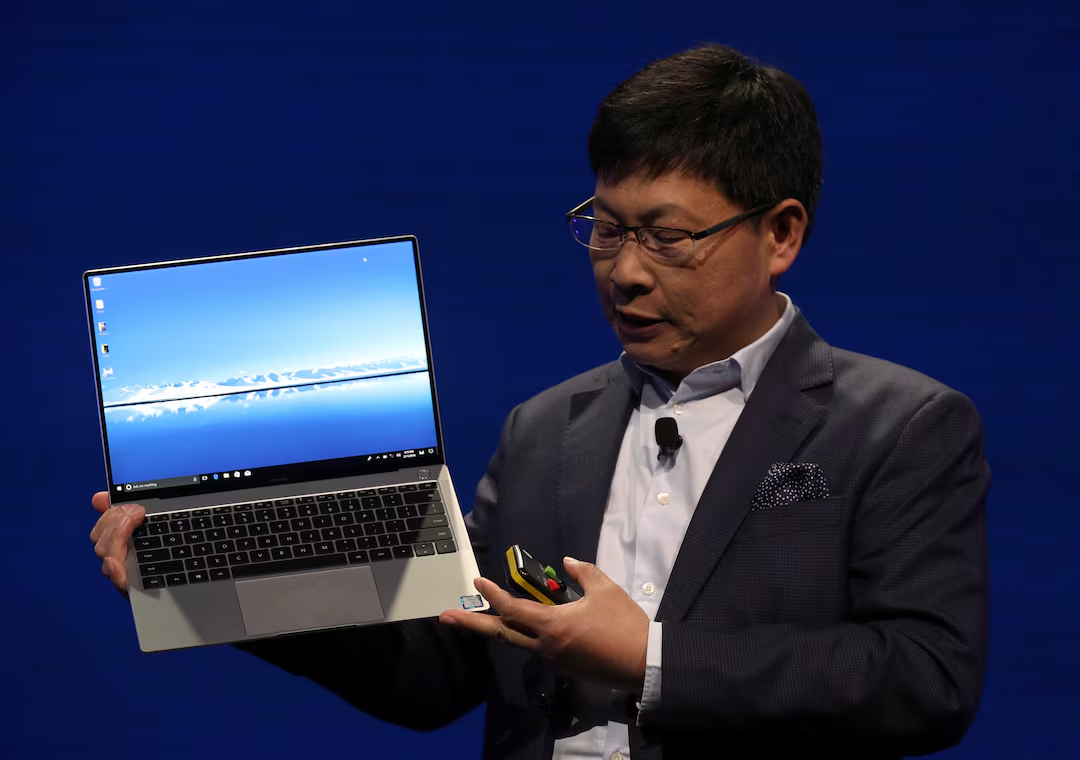
The MateBook Fold features an 18-inch foldable OLED display and detachable keyboard, while the MateBook Pro offers a more traditional 14.2-inch laptop design.
Huawei hasn’t disclosed the chipsets used in the devices, raising questions about whether it has moved to fully domestic hardware.
HarmonyOS now supports over 1,000 apps and 1,100 peripherals, but it still lacks the broad software ecosystem of Windows or macOS.
Huawei has officially launched its first laptops running HarmonyOS, its in-house operating system. With the U.S. clamping down on access to key tech like Intel chips and Microsoft software, Huawei is clearly betting on self-reliance.
And with China’s growing push for tech independence, HarmonyOS-powered laptops could be the first real challenge to that dominance from a Chinese company.
The HarmonyOS Laptop Push Has Been a Long Time Coming
Huawei started working on HarmonyOS back in 2015, but until now, it was mainly known as the operating system for Huawei’s smartphones and smart devices.
That began to change in 2021, when the company started prototyping laptops based on HarmonyOS. Now, with the release of the MateBook Fold and MateBook Pro, HarmonyOS is finally moving into the PC space.
At the launch event in Shenzhen, Yu Chengdong, chairman of Huawei’s consumer business group, made it clear what this moment means for the company: “The Harmony laptop gives the world a new choice. We kept on doing the hard things but the right things.”
The MateBook Fold: Huawei’s Big Bet on Foldables

The MateBook Fold is the flashier of the two. It’s a foldable 18-inch OLED touchscreen that compresses down to a 13-inch form factor. At just 7.3 mm thick when open and weighing 1.16 kg, it’s more like a tablet with serious computing power.
There’s no built-in keyboard, you get a detachable one that snaps on magnetically, adding an extra 290 grams and 5 mm in thickness.
Also Read: Xiaomi’s XRing 01 SoC leak hints at big plans to challenge Qualcomm and MediaTek
It starts at 23,999 yuan (about $3,328) for the 1TB version. The 2TB version is 26,999 yuan. That’s pricey, but Huawei is pitching this as a high-end, premium device for early adopters and loyalists who want something different.
Pre-orders began this week in China, with shipping expected from June 6.
The MateBook Pro: Familiar Design, New Operating System

The MateBook Pro takes a more conventional approach. It’s a slim 14.2-inch laptop weighing just 970 grams. The display supports up to 3.1K resolution with a 120Hz refresh rate.
It comes in several configurations, between 24GB and 32GB of RAM, and storage options from 512GB to 2TB using NVMe PCIe SSDs. It includes a 90Wh battery that Huawei says can deliver just over 10 hours of battery life.
Like the Fold, it runs HarmonyOS 5, also called HarmonyOS Next. The base model starts at 7,999 yuan, or about $1,110, while the top-end version goes for 10,999 yuan.
Huawei teased this model earlier in the year, but the official specs and pricing were only confirmed at the launch.
No Intel Inside – But Huawei’s Not Saying What Is
There’s one major question Huawei hasn’t answered: what processors are these laptops using?
The company has kept quiet about the chips inside the new HarmonyOS machines, citing the high cost of new manufacturing technology as the reason for the premium pricing.
Given the backdrop, Washington revoked licenses for Intel and Qualcomm to supply Huawei in 2023, this silence is telling. It suggests Huawei may have developed or sourced chips independently, possibly through its own HiSilicon division or domestic fabs like SMIC.
In 2023, Huawei quietly launched a smartphone with a 7nm chip believed to have been made entirely within China. That triggered pushback from U.S. lawmakers, especially as some Huawei laptops released in the past year still used Intel processors. But this time, there’s no mention of Intel at all.
HarmonyOS Is Growing, But Still Has Gaps
Huawei claims HarmonyOS 5 supports more than 1,000 apps and expects that number to hit 2,000 by the end of 2025. Current apps include Kingsoft’s WPS Office (a local alternative to Microsoft Office), Baidu Netdisk, Meitu’s photo editor, and Alibaba’s enterprise messaging app DingTalk.
According to Yu, HarmonyOS also supports over 1,100 accessories like keyboards, mice, printers, and drawing tablets. The user interface looks like a mix of macOS and mobile-style cards, with a shortcut bar similar to Apple’s Dock and icons arranged into folders and widgets.
But there are limits. HarmonyOS doesn’t yet support the wide ecosystem of software available on Windows or macOS. And while it’s compatible with many peripherals, it’s not clear how well it handles more specialized hardware or enterprise-level tools.
China First, But Global Plans Aren’t Off the Table
Right now, the MateBook Fold and Pro are only available in China. Huawei hasn’t said when or if they’ll go international. That makes sense, HarmonyOS adoption is highest in China, where Huawei’s smartphone market share hit 19% in late 2024, overtaking Apple’s iOS for four consecutive quarters, according to Counterpoint Research.
In China, Huawei can rely on a friendly regulatory environment, a strong fan base, and a growing list of domestic developers. But competing globally would mean convincing users outside China to abandon Windows or macOS for an entirely new system with fewer apps and limited support.


Leave a Reply