

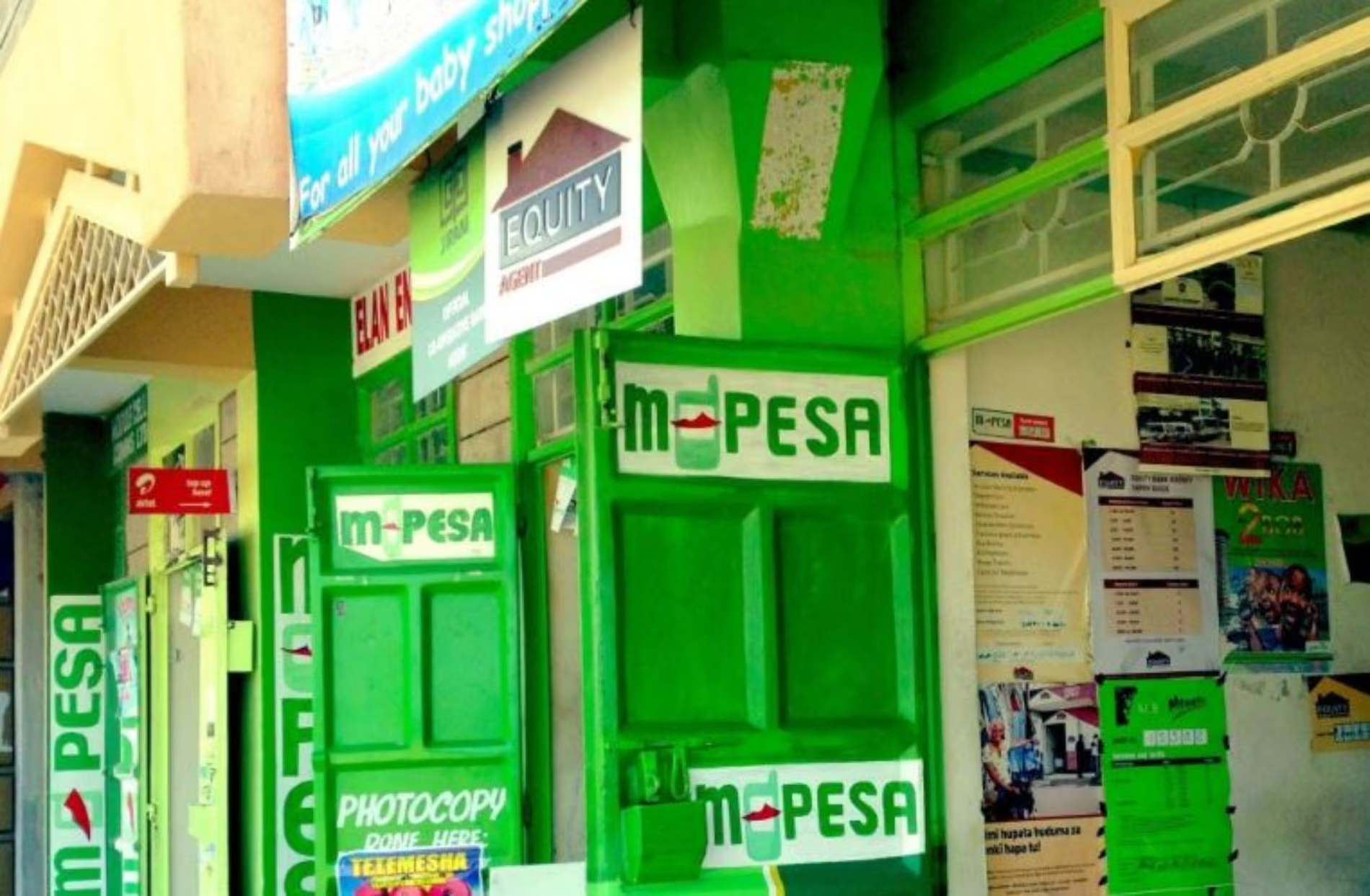

M-PESA’s transaction value reached KSh 41.7 trillion in FY26, about 2.4 times Kenya’s gross domestic product, according to Safaricom CEO Peter Ndegwa. “When you become infrastructure, an hour of downtime is felt by the whole country,” Ndegwa told Nigerian business leaders in Nairobi on 20 November 2026.
The fireside chat, held at Strathmore Business School as part of Lagos Business School’s Chief Executive Programme, brought together nine leaders from eight Nigerian companies. Ndegwa said the service runs on more than 330,000 agents, 1.28 million Lipa na M-PESA merchants and 3.23 million active Pochi la Biashara merchants. Safaricom held 88.8% of Kenya’s mobile money subscriptions at the end of June 2026.
M-PESA transactions rose 25.1% to 46.4 billion in FY26, while total value grew 8.9%, which means Kenyans are making more payments for smaller amounts. Growth held into the new financial year, with 27.4 billion transactions in the six months to September 2026, up 25.2%. That works out to close to 150 million transactions a day.
Free transactions make up 53% of all M-PESA traffic, according to Ndegwa, a share Safaricom also reported with its half-year results. Chargeable transactions per customer still climbed from about 13 a month in 2020 to about 51, nearly four times as many. “Usage follows value,” he said.
Safaricom rebuilt the system behind those numbers in September 2025. The previous M-PESA core processed about 4,500 transactions per second against a design limit of 5,000. Its replacement, Fintech 2.0, runs on cloud-native microservices, handles 6,000 transactions per second with room to reach 12,000, and uses an active-active setup across multiple sites to keep the service available.
Also Read:
M-PESA services were disrupted from around 2am on 28 October 2026, and some transactions failed, including money transfers, airtime purchases and bill payments. Safaricom said it had shared the issue with the relevant team but gave no restoration timeline. On 20 October, the company had acknowledged a “system issue” affecting KCB M-PESA, where customers reported withdrawals that left their accounts but never arrived.
On 20 January 2026, the Central Bank of Kenya warned lawmakers that an M-PESA failure could shake the country’s financial system. About KSh 250 billion in customer funds sits in M-PESA trust accounts at commercial banks, an arrangement that ties the platform’s stability to bank liquidity and public confidence.
M-PESA earned KSh 100.1 billion in the six months to September, the first time it has passed KSh 100 billion in a half-year, and now generates 46.3% of Safaricom’s Kenya service revenue. Ndegwa described the company’s path as a move from voice to data to M-PESA, and on to fintech and fibre.
Airtel Money doubled its share of mobile money subscriptions from 5.5% in March 2024 to 11% by December 2025. Ndegwa described regulators as critical partners. “Engage early, support interoperability, and cut prices before you are asked,” he said.


Leave a Reply