



The Samsung Galaxy S25 Ultra launched back in January, and the early reactions were far from enthusiastic. Many reviewers called it a minor refresh of the Galaxy S24 Ultra, with little incentive for those who already own last year’s model to upgrade. Some long-time fans, including myself, felt let down by Samsung’s decision to remove Bluetooth functionality from the S Pen. Others criticized the company for putting too much weight on Galaxy AI, arguing that if you stripped away the software tricks, there wasn’t much left to justify the phone’s price.
Those takes didn’t tell the full story. After spending a few weeks using the Galaxy S25 Ultra as my daily driver, I found that while some of those complaints are fair, the phone itself deserves more credit than it’s been given. Samsung might not have redefined its flagship this year, but the changes it made, both physical and functional, create a refined experience that feels balanced, consistent, and well-considered.
A more comfortable design with practical improvements
Samsung’s design tweaks to the Galaxy S25 Ultra might seem small at first, but they make a meaningful difference once you hold it. The sharp 90-degree corners of previous Ultra models are now softened, and the metallic frame that used to be rounded has been flattened. It gives the phone a slightly boxier appearance, yet it feels more comfortable in the hand. The overall weight is down by 14 grams compared to last year, and the device is 0.4 millimeters thinner. That small weight reduction matters more than you’d expect, especially for a phone this large.

The rest of the hardware remains familiar. The titanium frame feels premium, and the matte glass back resists fingerprints better than before. The camera layout remains vertically aligned and instantly recognizable as a Samsung design. It’s not a radical visual departure, but the Galaxy S25 Ultra feels easier to live with day to day, which matters far more than chasing novelty for its own sake.
Display quality remains top-tier
Samsung still makes some of the best smartphone displays in the industry, and the S25 Ultra proves why that reputation is deserved. The 6.9-inch Dynamic AMOLED 2X screen has a QHD+ resolution, adaptive refresh rate between 1 and 120Hz, and an anti-reflective matte coating that’s among the best I’ve seen. The bezels are barely visible, giving the screen a seamless edge-to-edge look.

Brightness has improved slightly over the previous model, with a claimed peak of up to 2,600 nits. In daily use, that means the screen remains legible even under harsh sunlight. Colors are balanced and natural without oversaturation, and HDR content looks fantastic. Samsung’s display calibration continues to be one of the most reliable on any Android device, and the flat glass panel helps reduce accidental touches when typing or gaming.
Great performance from the Snapdragon 8 Elite “for Galaxy”
Inside, the Galaxy S25 Ultra runs on Qualcomm’s Snapdragon 8 Elite for Galaxy, a slightly overclocked version of the chip that powers other 2025 Android flagships. It’s a capable processor that handles demanding tasks with ease. Whether I was editing videos, multitasking between multiple heavy apps, or playing graphically intense games, performance never dipped below expectations.

Benchmark numbers put it at the top of the Android charts, but what matters is how it feels in daily use—and it feels fast. The phone stays cool most of the time, though heavy gaming can make it slightly warm around the upper back. It never became uncomfortable to hold, and the vapor chamber cooling system seems to manage heat well enough. The S25 Ultra easily matches or exceeds performance from the Pixel 9 Pro XL and OnePlus 13, depending on the task.
Also Read: Samsung Galaxy S25 review: Refined but stale
At this point, raw performance is no longer the defining factor in a flagship phone. Almost every premium device today is fast enough for whatever you throw at it. What sets the S25 Ultra apart is consistency. It rarely stutters, it’s responsive under load, and it performs the same whether you’ve been using it for two minutes or two hours.
Cameras do almost everything well
Samsung’s cameras have long been a strong point for the Ultra series, and while this year’s setup doesn’t reinvent the system, it still delivers excellent results. The main sensor is 200 megapixels, accompanied by a 50-megapixel ultra-wide, a 10-megapixel 3x telephoto, and a 50-megapixel 5x periscope telephoto. The ultra-wide camera is the only one that saw a hardware bump this year, but the entire array benefits from Samsung’s mature image processing.
Photos from the main camera are detailed and vibrant, with accurate exposure and solid color balance. The 3x and 5x zoom lenses produce sharp results in daylight and surprisingly usable images in low light. The ultra-wide captures more detail than before and handles night scenes with less noise.


I like to shoot portraits at 3x or 5x, and the S25 Ultra handled that beautifully. Faces look natural, with smooth depth separation and no over-processing. In low light, there’s still some noise, but it’s acceptable for a smartphone.

Selfies look flattering without looking artificial, and I appreciate Samsung’s balance here. Apple’s front cameras tend to be too clinical, while some Chinese brands smooth skin too aggressively. Samsung’s approach feels just right.
If there’s a weak spot, it’s the 3x lens. It’s still using an older 10-megapixel sensor that feels out of place in 2025. The 5x periscope performs better but falls short of what Vivo and Xiaomi are doing with their latest flagships. Still, the S25 Ultra’s overall camera performance remains among the best on any smartphone, especially when you consider how consistent it is across all lenses.
Galaxy AI is smarter and more useful than expected
Samsung has made a big deal about Galaxy AI, and this time, the hype is mostly justified. The S25 Ultra introduces several AI-powered tools that genuinely improve usability. Live Translate can interpret phone calls in real time between two languages. Notes and voice recordings can be transcribed and summarized automatically. The Circle to Search feature lets you highlight anything on the screen and instantly get relevant information from Google.
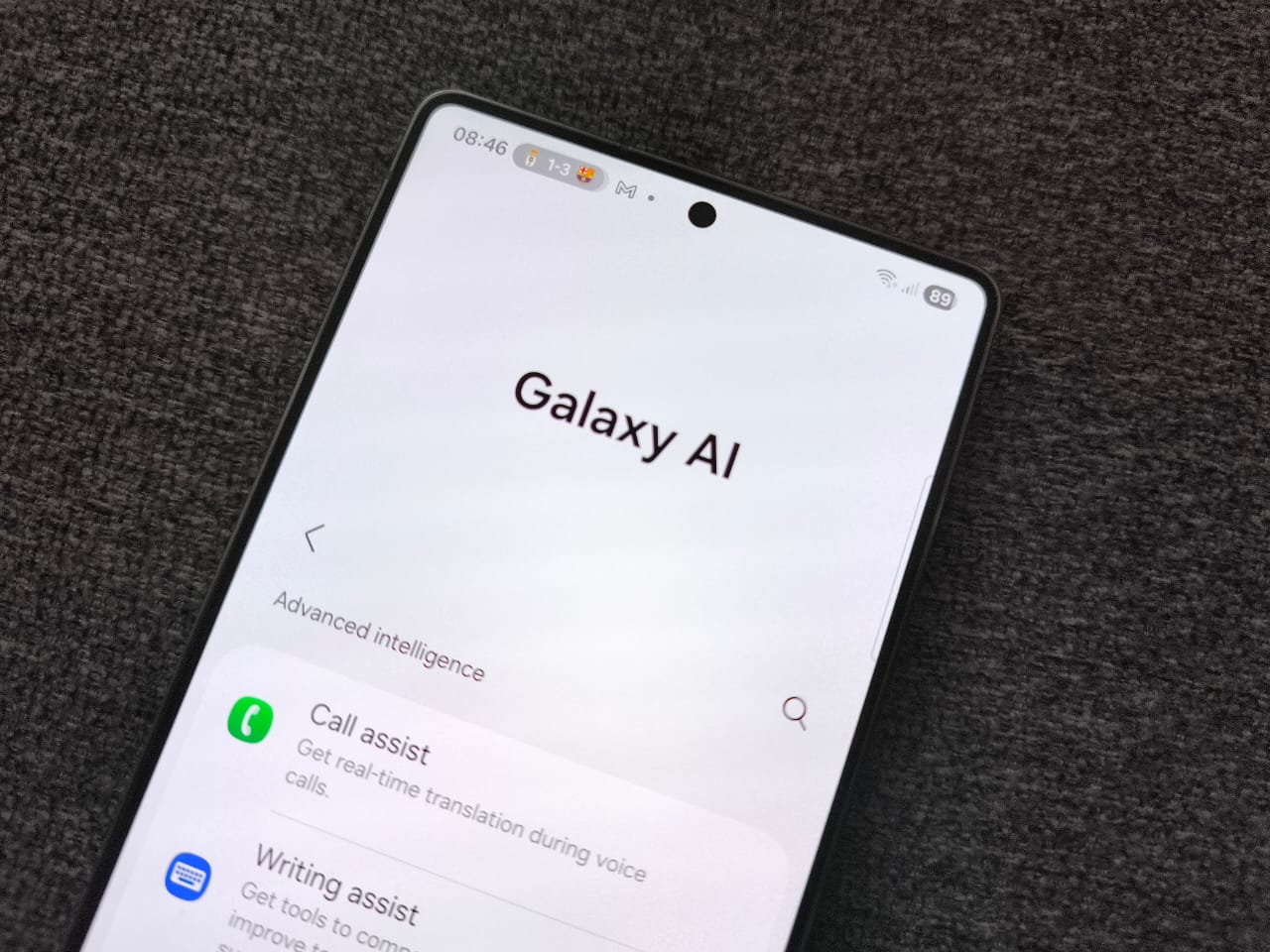
The generative photo editing tools are the most impressive of the bunch. You can remove unwanted objects, move subjects around, or fill in missing parts of an image with new, realistic pixels. The feature is quick and surprisingly accurate, though it does raise questions about how far photo manipulation should go. Samsung’s implementation works more freely than Google’s or Apple’s, which sometimes block edits involving faces or complex scenes.
I found myself using Galaxy AI features regularly, especially for summarizing long notes or editing travel photos. However, it’s important to note that many of these features also work on the Galaxy S24 Ultra through software updates. They’re not exclusive to this phone, but the faster hardware does make them feel smoother.
The S Pen is still useful, even without Bluetooth
The S Pen remains one of the defining features of the Ultra line. This year, Samsung decided to remove Bluetooth functionality from it, which means you can no longer use it as a remote shutter or presentation controller. That decision upset a lot of people, but personally, I never used those features much, so I don’t mind the omission.
For drawing, note-taking, and signing digital documents, the S Pen continues to perform flawlessly. It’s responsive, accurate, and feels natural to use. The flat screen makes writing more comfortable, and the pen itself is light and easy to grip. For quick sketches or precise photo edits, it’s still a great tool to have built into the phone.
Battery life holds up through a long day
The 5,000 mAh battery remains unchanged, and so does the 45W wired charging speed. I typically get through a full day on a single charge with moderate to heavy use. That includes several hours of browsing, streaming, calls, and messaging. By the end of a long day, I usually have around 10 to 15 percent left, which is acceptable for a phone this powerful.
Charging from zero to full takes just over an hour, and wireless charging is available if you prefer convenience over speed. Some Chinese flagships still offer faster charging and slightly longer endurance, but the Galaxy S25 Ultra is efficient enough for everyday use. It might not lead the pack in battery life, but it’s consistent and reliable.
Small refinements that make a big difference
The S25 Ultra is one of those phones that feels better the longer you use it. Typing on the flat screen feels more accurate. The vibration motor is subtle but precise. The stereo speakers sound clean, and connectivity remains stable with strong 5G and Wi-Fi 7 performance.
There’s also a certain polish to the software experience. One UI continues to offer deep customization without overwhelming you. Everything feels cohesive and mature. After using the phone for several weeks, it’s clear that Samsung didn’t need to change much—because most of what it had already worked well.
Final thoughts
After living with the Galaxy S25 Ultra, I can see why it sparked mixed reactions. On paper, it looks like a cautious update. In use, it feels like a refined one. Samsung played it safe this year, but that’s not necessarily a bad thing. The phone is reliable, powerful, and enjoyable to use.
I would have liked to see faster charging, a larger camera sensor for the 3x lens, and perhaps a bigger battery. But the improvements that are here, the lighter design, better ultra-wide camera, smarter AI tools, and polished software, make a real difference in daily use.
If you already own the Galaxy S24 Ultra, there isn’t much reason to upgrade. But if you’re coming from anything older, or if you want a phone that nails the basics while feeling effortlessly premium, the Samsung Galaxy S25 Ultra is still one of the best flagships you can buy. It’s not trying to shock you with new tricks. It’s trying to make everything you already do just work better, and in that, it succeeds.


Leave a Reply