



TL;DR
- Silicon-carbon batteries improve smartphone battery life by offering higher energy density, faster charging, and better durability compared to traditional lithium-ion batteries.
- Several flagship smartphones released in late 2024 and early 2025 now feature this technology, including the OnePlus 13, iQOO 13, Vivo X200 Pro, and Redmi K80 Pro.
- Charging speeds are significantly improved, with many devices supporting over 100W wired charging, reducing charging times to under 40 minutes.
- Smartphone manufacturers such as Xiaomi, Oppo, Realme, and Honor are adopting silicon-carbon batteries to enhance performance while maintaining slim designs.
Smartphone battery technology has remained largely unchanged for years. While displays, cameras, and processors have advanced, battery capacity and efficiency have lagged. That’s beginning to change with silicon-carbon batteries.
These new batteries offer higher energy density, faster charging, and better longevity than traditional lithium-ion batteries.
Several flagship smartphones released in late 2024 and early 2025 now feature silicon-carbon batteries. Here’s everything you need to know about this technology and the latest smartphones using it.
What Are Silicon-Carbon Batteries?
Silicon-carbon batteries improve on standard lithium-ion batteries by replacing some or all of the graphite in the anode with silicon. This change results in significant benefits:
- Higher Energy Density – Silicon can store more lithium ions than graphite, allowing batteries to hold more power without increasing size or weight.
- Faster Charging – These batteries can handle higher charging currents, reducing charging times.
- Longer Lifespan – Improved structural integrity leads to better durability, meaning fewer charge cycles are needed over time.
- Lower Heat Generation – Better thermal efficiency reduces overheating during high-performance tasks like gaming and video recording.
Also Read: How silicon carbon batteries are changing the smartphone landscape
The Latest Smartphones with Silicon-Carbon Batteries
Here’s a detailed look at some of the latest smartphones featuring silicon-carbon batteries:
1. OnePlus 13
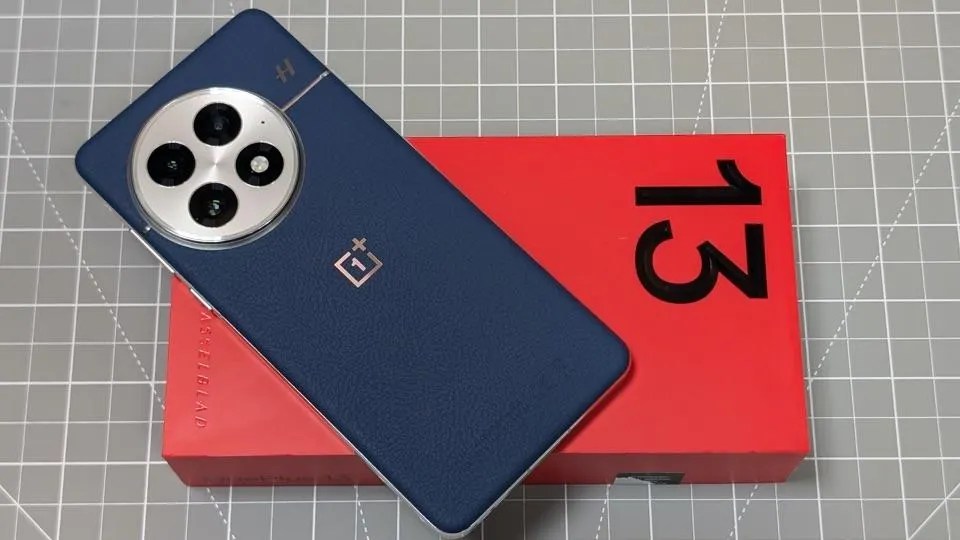
The OnePlus 13 features a 6000mAh dual-cell silicon-carbon battery with an energy density of 805Wh/L, the highest for a dual-cell design.
This allows the phone to maintain a compact form factor while offering longer endurance. It supports 100W SuperVOOC wired charging, which takes the phone from 0 to 100% in just 36 minutes, along with 50W wireless flash charging and magnetic charging support.
Apart from the battery, the OnePlus 13 comes with a 6.82-inch BOE X2 2K+ AMOLED display boasting 4500 nits peak brightness and DisplayMate A++ certification.
It is powered by the Snapdragon 8 Elite SoC, paired with up to 24GB LPDDR5X RAM and 1TB UFS 4.0 storage. The phone retains the 50MP Sony LYT-808 main camera, a 50MP 3X periscope telephoto lens, and a 50MP ultra-wide camera. It is also IP68 and IP69 rated, making it highly resistant to dust and water.
2. iQOO 13

The iQOO 13 is equipped with a 6150mAh third-generation silicon-carbon battery, supporting 120W wired fast charging that fills the battery in just 30 minutes.
While it lacks wireless charging, it features 44W UFCS and 100W PPS charging, ensuring a versatile and efficient power management system. The phone also integrates a 360° surround antenna system, optimizing network performance for mobile gaming.
The device sports a 6.82-inch BOE Q10 2K+ AMOLED display with a 144Hz refresh rate and 4500 nits peak brightness. It runs on the Snapdragon 8 Elite SoC, paired with up to 16GB LPDDR5X RAM and 1TB UFS 4.0 storage. On the camera front, it has a 50MP Sony IMX921 main sensor, a 50MP ultra-wide camera, and a 50MP 2x telephoto lens.
3. Vivo X200 & X200 Pro

The Vivo X200 features a 5800mAh silicon-carbon battery with 90W wired fast charging, while the Vivo X200 Pro comes with a 6000mAh battery supporting 90W wired and 30W wireless charging.
Both phones are powered by MediaTek’s Dimensity 9400 SoC and feature up to 16GB LPDDR5X RAM and up to 1TB UFS 4.0 storage.
The X200 Pro also includes a 200MP Samsung HP9 periscope telephoto camera with Zeiss APO certification, delivering 3.7x optical zoom and OIS. The series comes with IP69+IP68 dust and water resistance ratings, making them highly durable.
4. Redmi K80 & K80 Pro

The Redmi K80 Pro packs a 6000mAh silicon-carbon battery supporting 120W fast charging and 50W wireless charging, while the standard Redmi K80 houses a 6550mAh battery with 90W fast charging but lacks wireless support.
Xiaomi claims the new silicon-carbon material increases battery lifespan and reduces heat generation during high-performance tasks.
The K80 Pro is powered by the Snapdragon 8 Elite SoC, while the K80 runs on Snapdragon 8 Gen 3, both paired with up to 16GB LPDDR5X RAM and 1TB UFS 4.0 storage.
The Pro variant features a 50MP Light Fusion 800 main sensor with OIS, a 50MP 2.5x telephoto camera, and a 32MP ultra-wide camera, whereas the standard K80 swaps the telephoto lens for an 8MP ultra-wide camera. Both phones have IP68 + IP69 ratings for dust and water resistance.
5. Xiaomi 15 & 15 Pro

The Xiaomi 15 is powered by a 5400mAh silicon-carbon battery, supporting 90W wired and 50W wireless charging, while the 15 Pro ups the capacity to 6100mAh, featuring 90W wired and 50W wireless charging. The Pro model’s battery also has an ultra-high energy density of 850Wh/L, ensuring longer lifespan and higher efficiency.
Both devices feature the Snapdragon 8 Elite SoC, up to 16GB LPDDR5X RAM, and up to 1TB UFS 4.0 storage. The Xiaomi 15 boasts a 50MP Light Fusion 900 main sensor, a 50MP ultra-wide lens, and a 50MP 2.6X telephoto camera, while the 15 Pro features a 5X periscope telephoto lens. Both models include ultrasonic fingerprint scanners and IP68 water resistance.
6. Realme GT 7 Pro
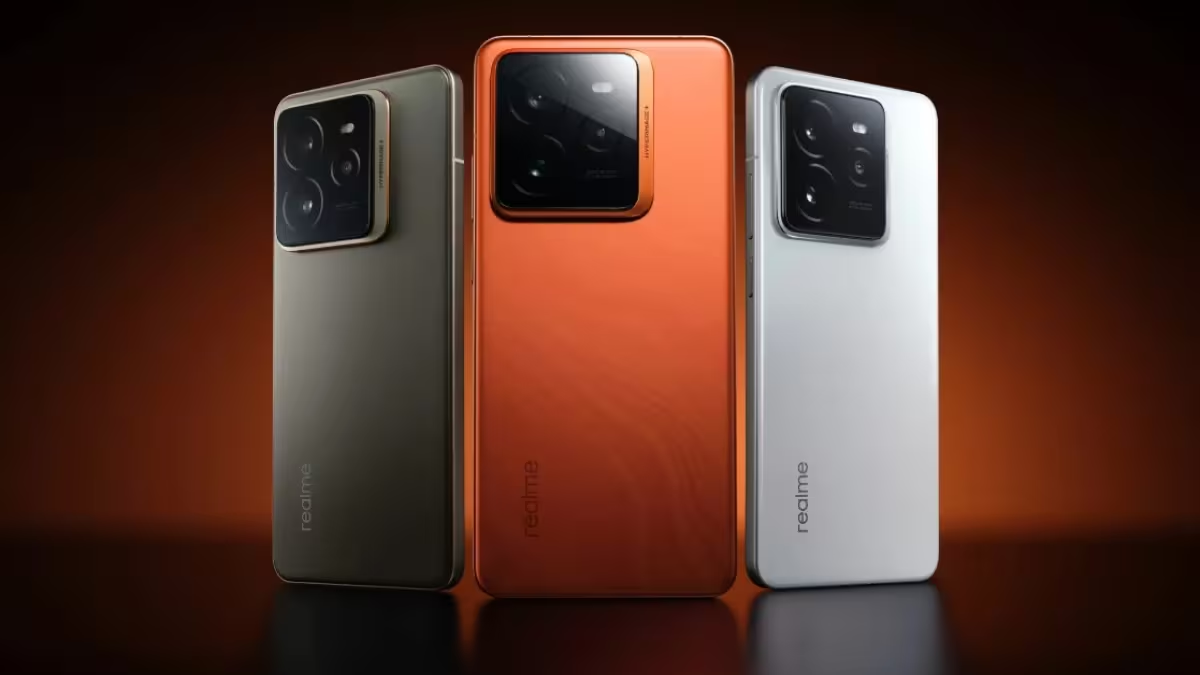
The Realme GT 7 Pro is equipped with a 6500mAh silicon-carbon battery, featuring 120W fast charging that achieves 50% charge in just 14 minutes.
It boasts the industry’s highest 10% silicon content, extending battery durability for up to four years. However, in India, it only features a 5800mAh battery.
The device runs on the Snapdragon 8 Elite SoC, with a 6.78-inch 1.5K OLED display featuring 6000 nits peak brightness. It comes with a 50MP main camera, an 8MP ultra-wide lens, and a 50MP 3x periscope telephoto camera.
7. Redmi Note 14 Pro+

The Redmi Note 14 Pro+ comes with a 6200mAh silicon-carbon battery, featuring an energy density of 814Wh/L and a 6% silicon content, allowing for a compact design with extended longevity.
It supports 90W wired fast charging and features Surge G1 and Surge P2 battery management chips for better power efficiency.
The phone runs on the Snapdragon 7s Gen 3, paired with up to 12GB RAM and 512GB storage. It features a 6.67-inch 1.5K OLED display, a 50MP main camera, an 8MP ultra-wide sensor, and a 50MP 2.5X telephoto lens. The device also includes IP66, IP68, and IP69 ratings for added durability.
8. Honor 300 & Honor 300 Pro

The Honor 300 packs a 5300mAh silicon-carbon battery, supporting 100W fast charging that reaches 59% in 15 minutes and 100% in 35 minutes.
The Honor 300 Pro and Ultra models also feature 5300mAh silicon-carbon batteries but include 80W wireless charging, ensuring fast and efficient power delivery. The high-density silicon-carbon composition enables extended battery life with improved power retention.
The Honor 300 series is powered by Snapdragon 7 Gen 3 (Standard) and Snapdragon 8 Gen 3 (Pro and Ultra). The devices feature 6.7-inch and 6.78-inch OLED displays with up to 4000 nits peak brightness and 3840Hz PWM dimming for eye protection.
The camera setup includes a 50MP main sensor, a 12MP ultra-wide lens, and a 50MP front camera, with the Pro and Ultra models featuring a 50MP 3x or 3.8X periscope telephoto lens. They also come with IP65 dust and splash resistance.
9. OPPO Find X8 & X8 Pro

The Oppo Find X8 is powered by a 5630mAh silicon-carbon battery, while the Find X8 Pro features a larger 5910mAh silicon-carbon battery, both supporting 80W SuperVOOC wired charging, 50W wireless charging, and 10W reverse wireless charging.
The Find X8 Pro’s battery is designed with ultra-high silicon content, ensuring longer durability and better thermal management during fast charging.
Both devices are powered by MediaTek Dimensity 9400 SoC, paired with up to 16GB LPDDR5X RAM and 1TB UFS 4.0 storage. The Find X8 features a 6.59-inch AMOLED display, while the Find X8 Pro offers a 6.78-inch LTPO AMOLED screen with 4500 nits peak brightness and Dolby Vision support.
The camera system includes a 50MP main sensor, a 50MP ultra-wide camera, and a 50MP 3x periscope telephoto lens, while the X8 Pro adds an additional 50MP 6x periscope zoom lens. Both models are IP68 + IP69 rated for water and dust resistance.
10. Honor Magic 7 & Magic 7 Pro

The Honor Magic 7 is powered by a 5650mAh silicon-carbon battery, while the Magic 7 Pro features a 5850mAh silicon-carbon battery, both offering 100W wired fast charging and 80W wireless charging.
The use of silicon-carbon technology ensures higher energy density, enabling longer runtimes while maintaining sleek designs. The enhanced battery efficiency is complemented by advanced cooling systems, including stainless steel VC cooling and graphite sheets, ensuring optimal performance during intensive tasks.
Both phones run on the Snapdragon 8 Elite SoC, paired with up to 16GB LPDDR5X RAM and 1TB UFS 4.0 storage. The Magic 7 Pro distinguishes itself with a 200MP periscope telephoto camera, capable of 3x optical zoom and 100x digital zoom, along with a 50MP main sensor and ultra-wide lens.
The Magic 7 shares a similar camera setup but lacks the advanced telephoto capabilities. With IP68 and IP69 ratings, 1-120Hz LTPO OLED displays, and Magic UI 9.0, the Honor Magic 7 Series combines cutting-edge technology with superior durability, solidifying its position as a flagship contender in 2025.
Conclusion
Silicon-carbon batteries are set to revolutionize smartphone technology. With higher energy density, faster charging, and improved durability, they address many of the limitations of traditional lithium-ion batteries.
As more smartphones adopt this technology, users can expect longer battery life, quicker charging, and more compact designs.
If you’re in the market for a new phone, consider one with a silicon-carbon battery—it’s a smart investment in the future of mobile technology.


Leave a Reply